Mru builds fault-tolerant software for systems that cannot be repaired in time.
The long-term goal is software that runs for a thousand years. The work is paid for along the way by equipment that needs it now, on Earth first, then in orbit.
PL. 17
Sagrada Família, Barcelona. Under construction since 1882.Juanedc · CC BY 2.0 · Wikimedia Commons
PL. 18
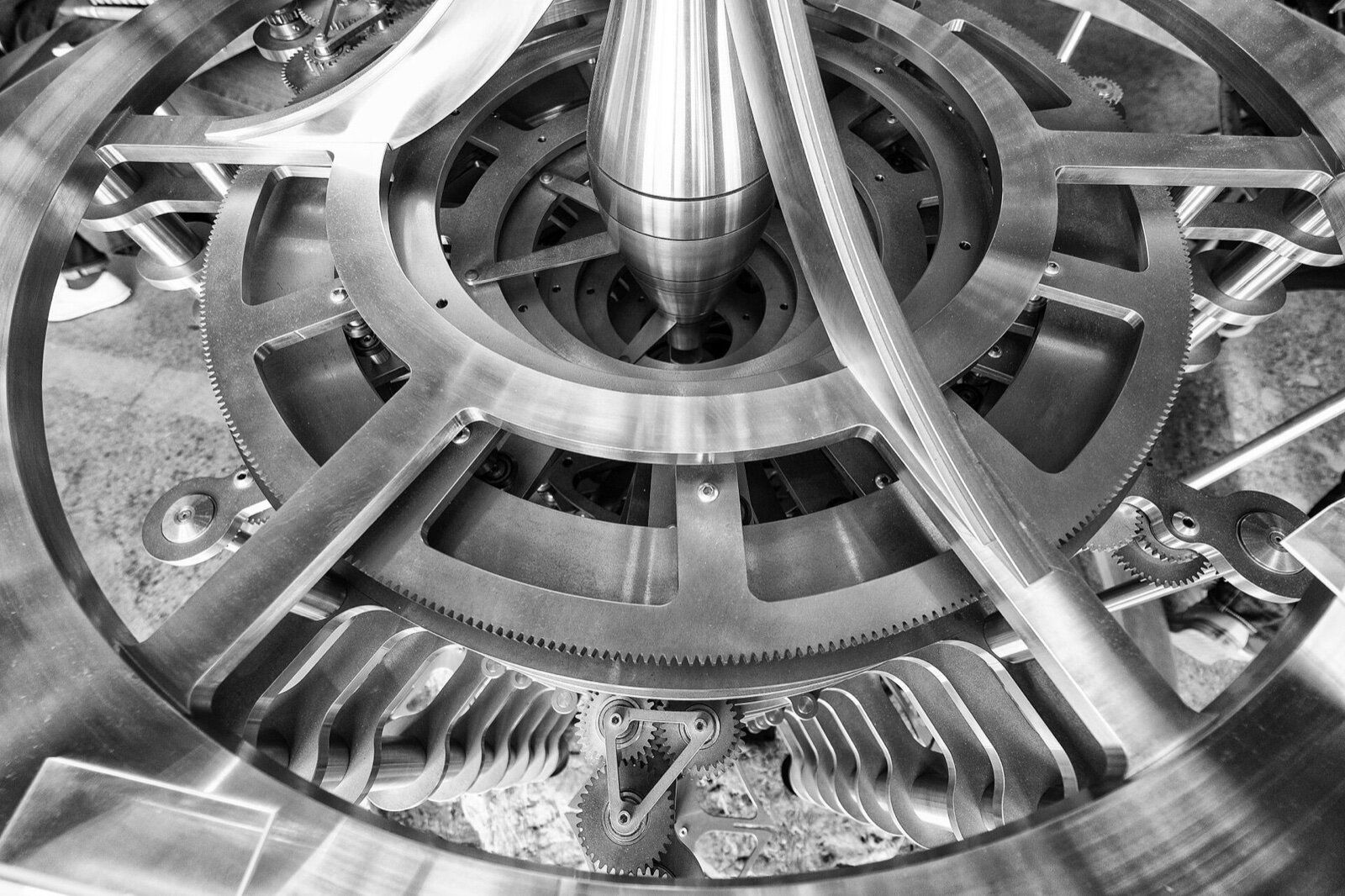
The 10,000 Year Clock, Long Now Foundation.Christopher Michel · CC BY 2.0 · Wikimedia Commons
01 · The name
Maru: a circle, and a ship on a long voyage.
Mru is a contraction of Maru, the suffix borne by seagoing vessels. It comes from the character for “circle”, connoting completeness and safe passage on a long voyage.
The mark is that circle, with an orbit through it. It is the same on Earth and in space.
Where we are
02 · Where we are
Early and public.
Everything we have built so far is open. The next step is unattended field data, then orbit.
When
What
Status
May 2026
Whitepaper: a fault-tolerant operating system for thousand-year autonomous operation
Published · DOI
Sep 2026
Dusk: 10,000-mission simulator, 1.34× the useful work of TMR
Open source
Sep 2026
Mru 2049: browser flight simulator on real astronomical data
Open source
Oct 2026
Mru Flight prototype: verified Rust core and fault-injection demo
Open source · TRL 3
2027
Mru Field pilot in the Azores, months unattended
Planned · TRL 6 goal
Founder
03 · Founder
Will Binns
Has spent years running systems that must not fail when parts of them do.
Ran bitcoin.org
Led teams at Coinbase
Editor of Mastering Bitcoin and Mastering Ethereum
Helped run Stanford's Bitcoin Engineering course
Open source at NASA JPL and the ESA Advanced Concepts Team
PL. 19
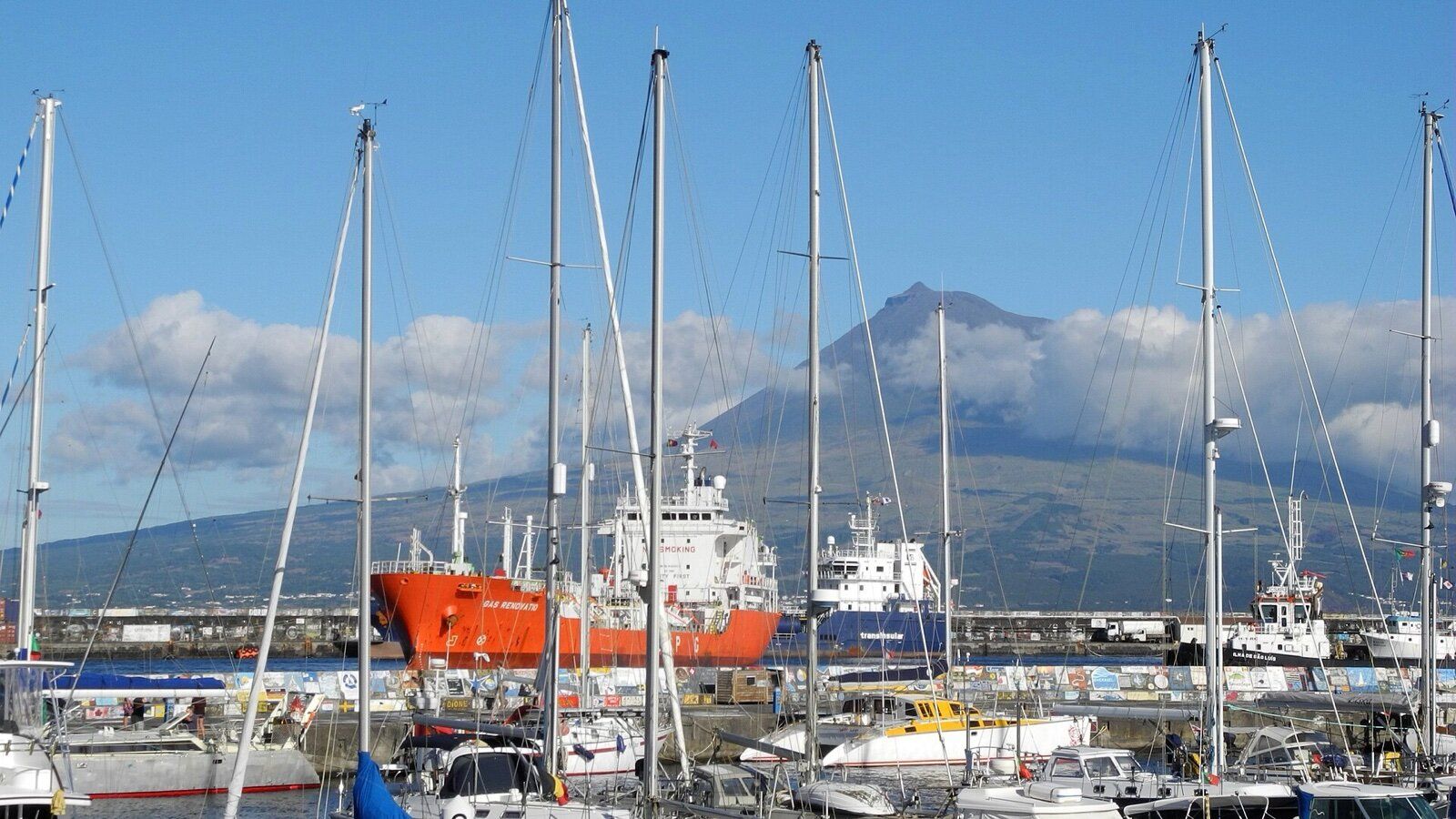
Horta, Faial, with Pico behind.Franzfoto · CC BY-SA 3.0 · Wikimedia Commons
04 · Where
In the middle of the Atlantic.
We plan to work from Horta, in the Azores: close to deep-sea observatories, open ocean and the people who run them.
→ Request information
Operators, mission teams, partners: write to us.
A few lines are enough: the hardware, where it is, and how long it must run without a visit. We will tell you plainly whether Mru fits, including when it does not.
Requests go to the founder, not a sales team.
We reply by email. If a call helps, we suggest one.
Technical questions are welcome. The docs and code are public.