Offshore wind
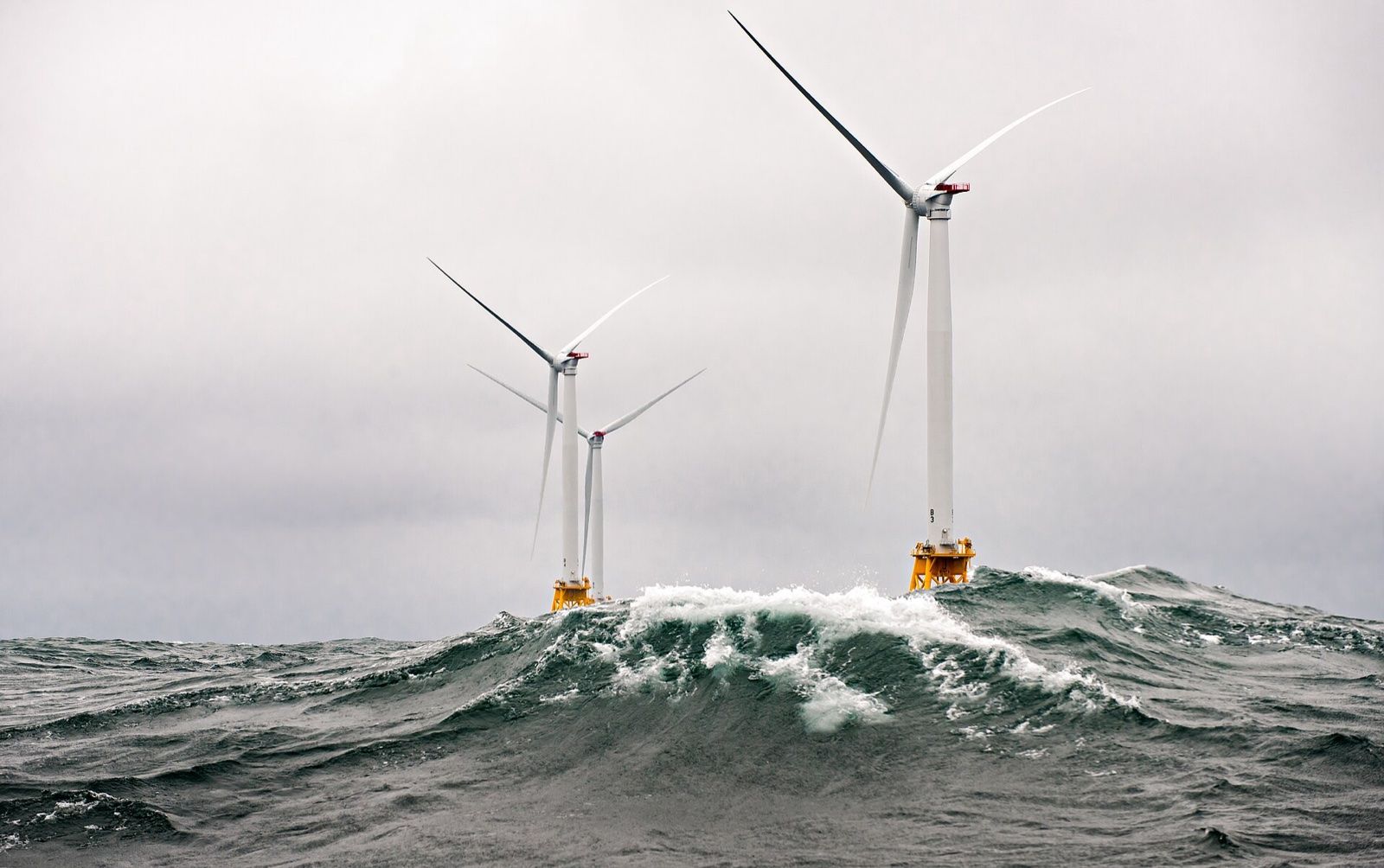
Every repair needs a vessel, a crew and a weather window.
Wind turbine operations and maintenance spending by 2030.
MarketsandMarkets
Wind technicians the industry needs by 2030.
GWO / GWEC
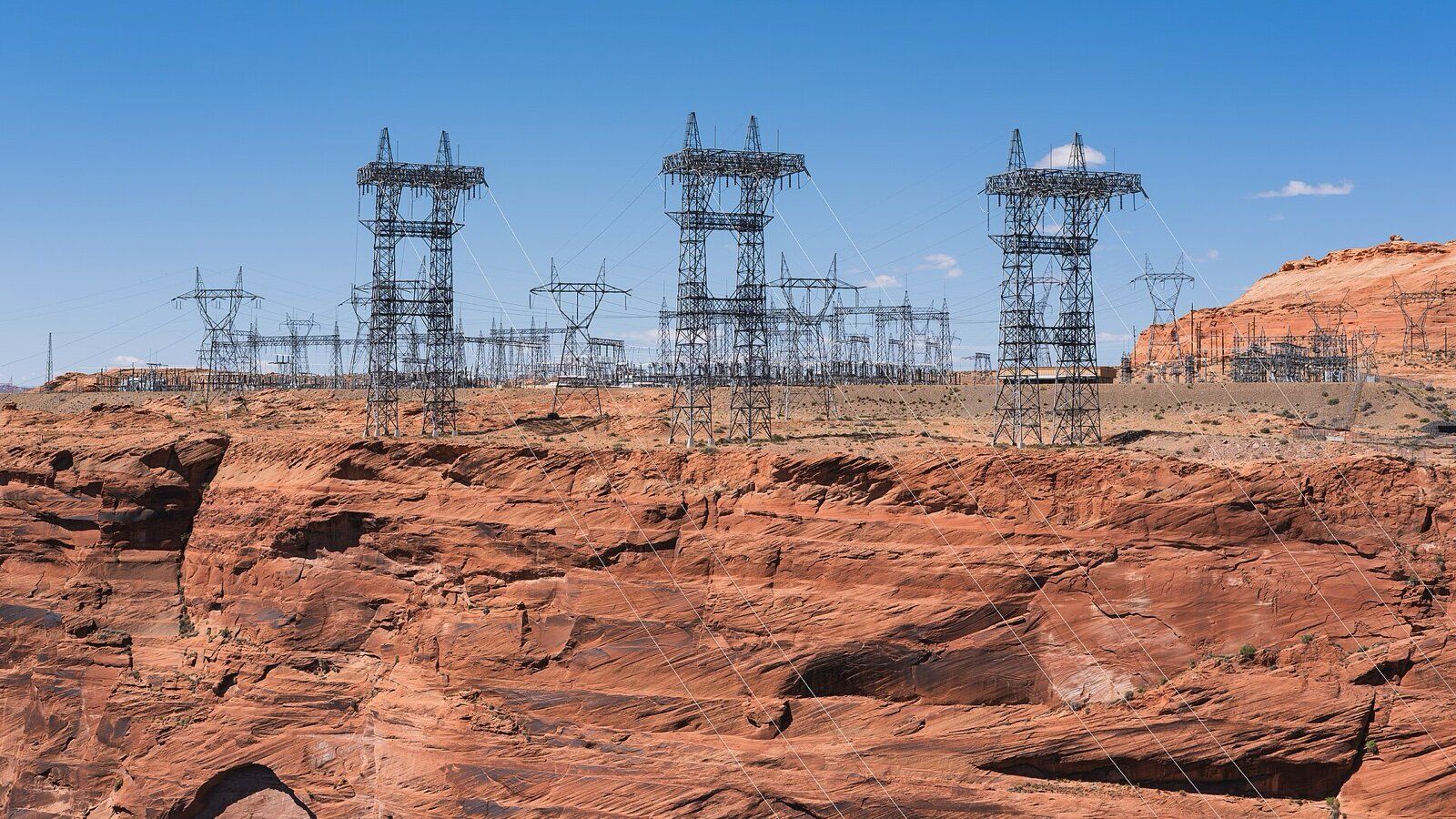
Turbines, substations and met masts carry controllers and sensors far from shore. Every failure that needs a person means a vessel, a crew and the right weather.
Mru Field runs on the processors already in the equipment. When one fails and nobody can come, it continues on the ones left and delivers only results it can check. Status: decision core at TRL 3; first field pilot planned for 2027.
01
Computers fail one by one
Radiation, heat and age take out processors and memory. Nothing is replaced until the next visit.
02
No one to ask
When two computers disagree, there is no operator to say which one is right.
03
Stored data decays
Flash wears out and bits flip. Logs and settings drift unless something checks them.
Three computers. Then two. Then one, still working.
Most redundant systems stop when they lose their majority. Mru Field steps down instead, and says which mode it is in.
3 alive · vote
Three computers vote. One bad result is outvoted.
2 alive · compare
Two compare. A known-answer test finds the faulty one.
1 alive · self-check
The last one checks its own work and keeps monitoring until the next window, at half speed.
Power
Grid, with backup
Link
Fibre or radio
Visits
Weather-limited
Service life
Decades
Questions
Does Mru Field need new hardware?
No. It is software for the processors you already deploy. It runs beside your control code and decides which computer to trust as parts fail.
Is this for safety systems?
No. Safety systems keep their own certified protection. Mru Field is for the monitoring and control computers whose failure costs a trip.
How do we start?
Use the form below. We first model your hardware and show what each redundancy design returns over its whole life. Then we plan a pilot on your own equipment.