Polar stations and sensor networks
No access for months of the year.
“Capability is a depleting resource to be spent, not a fixed budget to be defended.”
Whitepaper, §5
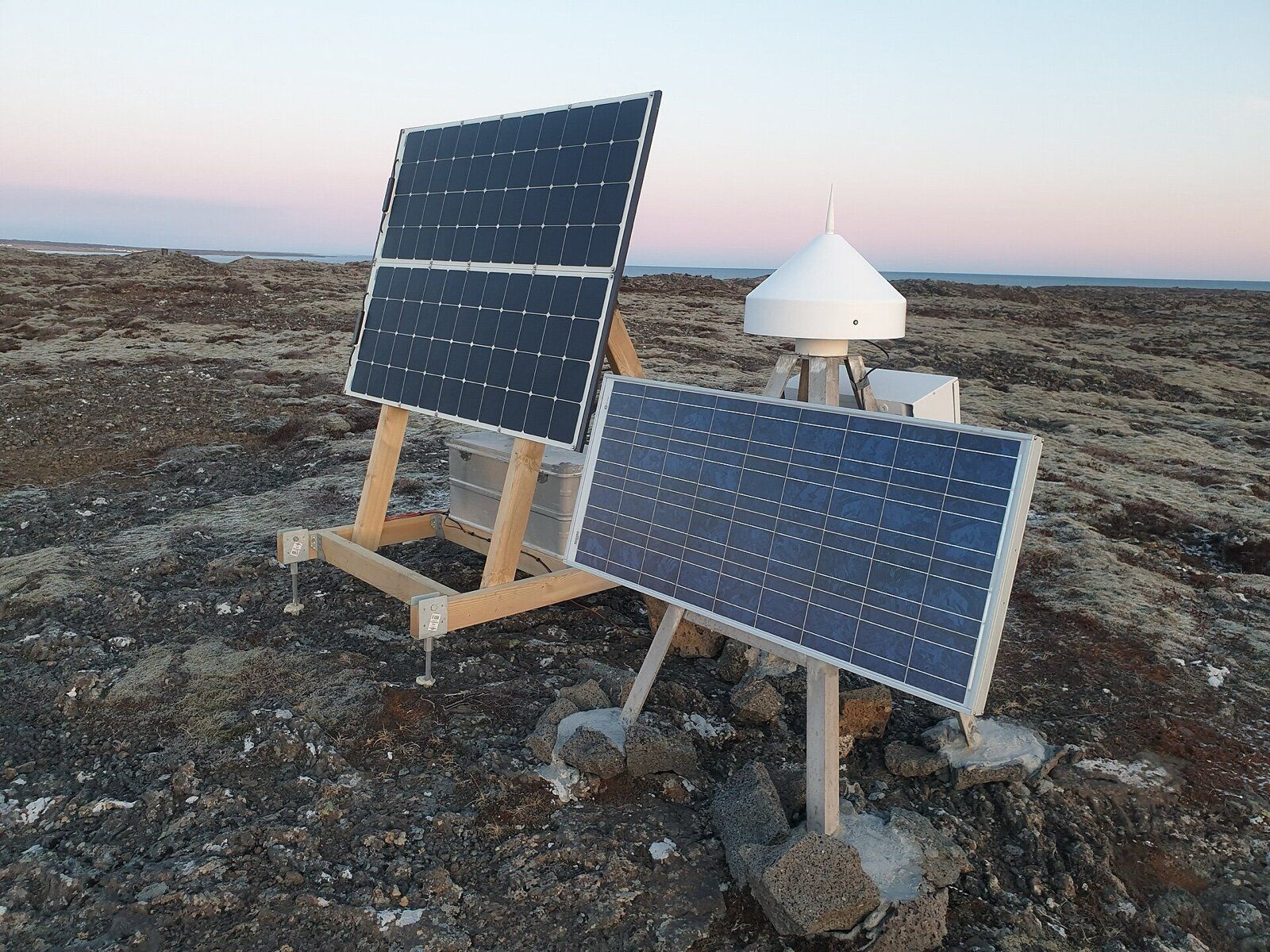
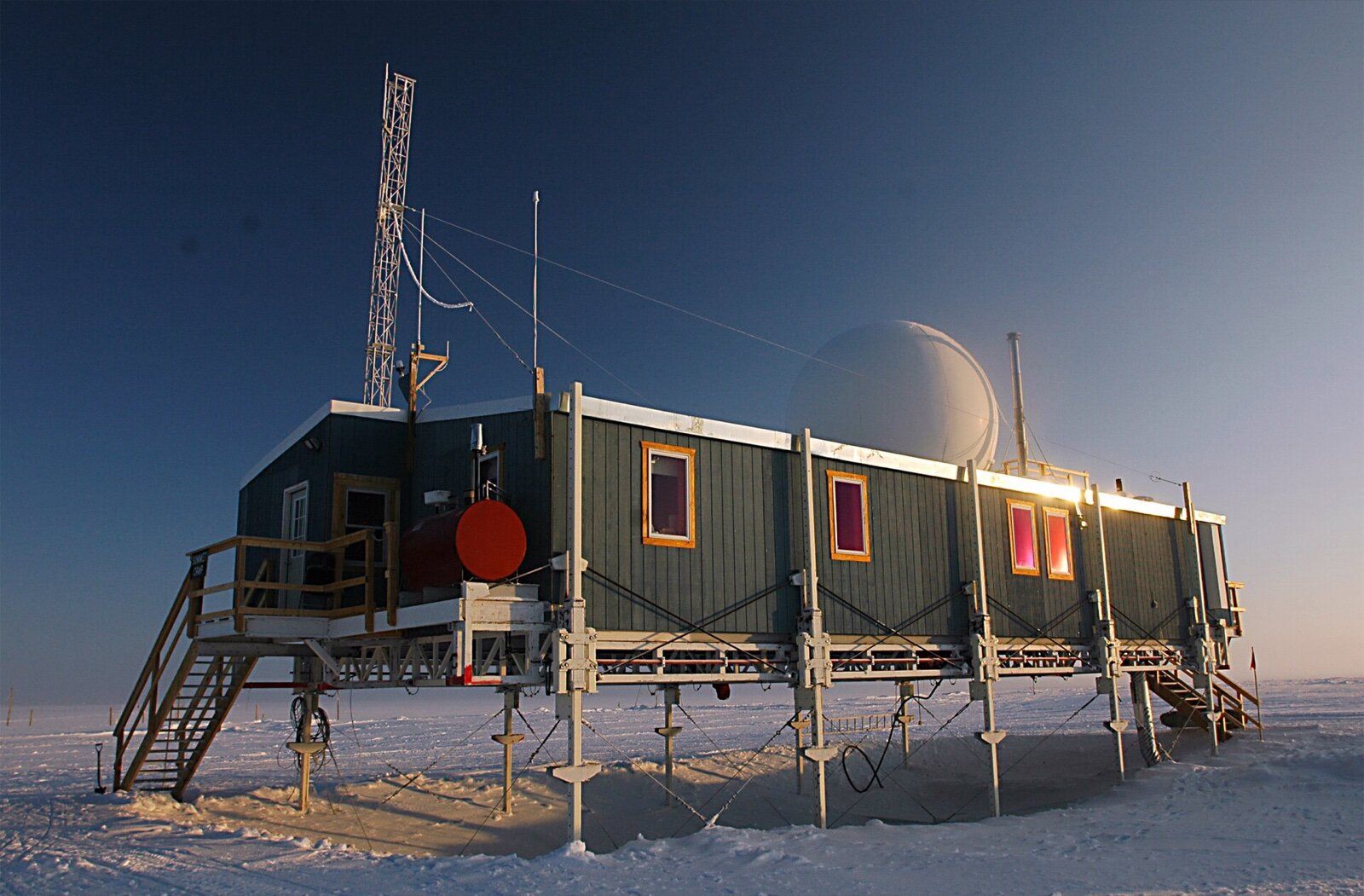
Automatic weather stations and sensor networks in Antarctica and the Arctic run through winters when no aircraft can reach them. Parts fail in the cold, and the record has to keep going.
Mru Field runs on the processors already in the equipment. When one fails and nobody can come, it continues on the ones left and delivers only results it can check. Status: decision core at TRL 3; first field pilot planned for 2027.
01
Computers fail one by one
Radiation, heat and age take out processors and memory. Nothing is replaced until the next visit.
02
Power runs down
Batteries fade and panels foul. The system has to do less, on purpose, and keep the important part going.
03
The link is thin
Bytes per message, or nothing until the next window. Problems have to be solved on site.
Three computers. Then two. Then one, still working.
Most redundant systems stop when they lose their majority. Mru Field steps down instead, and says which mode it is in.
3 alive · vote
Three computers vote. One bad result is outvoted.
2 alive · compare
Two compare. A known-answer test finds the faulty one.
1 alive · self-check
The last one checks its own work and keeps the record through winter, at half speed.
Power
Solar, wind and batteries
Link
Iridium, or none
Visits
Once a season
Service life
Years
Questions
Does Mru Field need new hardware?
No. It is software for the processors you already deploy. It runs beside your control code and decides which computer to trust as parts fail.
What about the cold?
Cold is a hardware problem. Mru handles what it causes: parts that fail and are not replaced until next season.
How do we start?
Use the form below. We first model your hardware and show what each redundancy design returns over its whole life. Then we plan a pilot on your own equipment.