Volcano and seismic stations
Stations matter most when access is hardest.

“Capability is a depleting resource to be spent, not a fixed budget to be defended.”
Whitepaper, §5
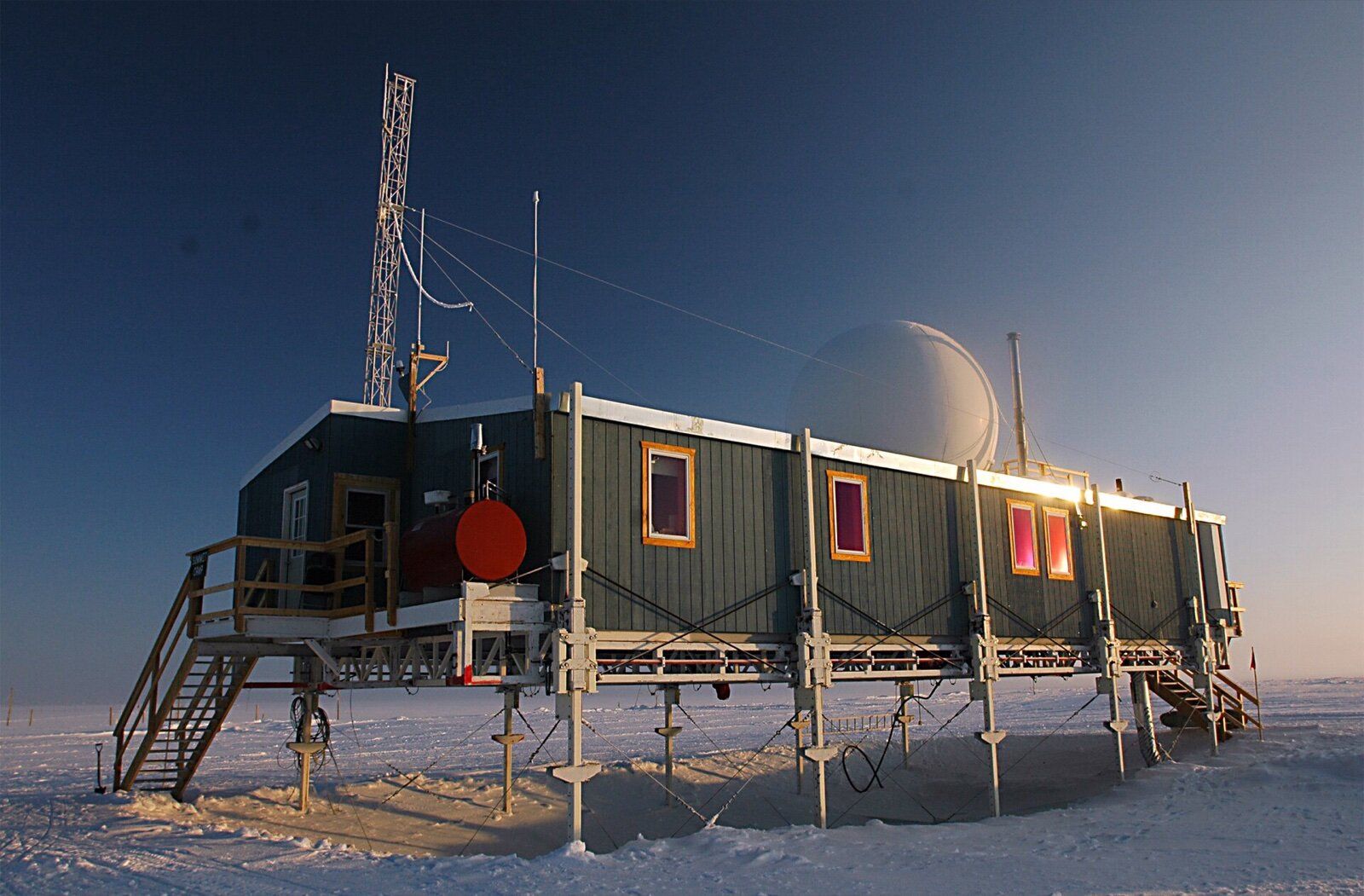
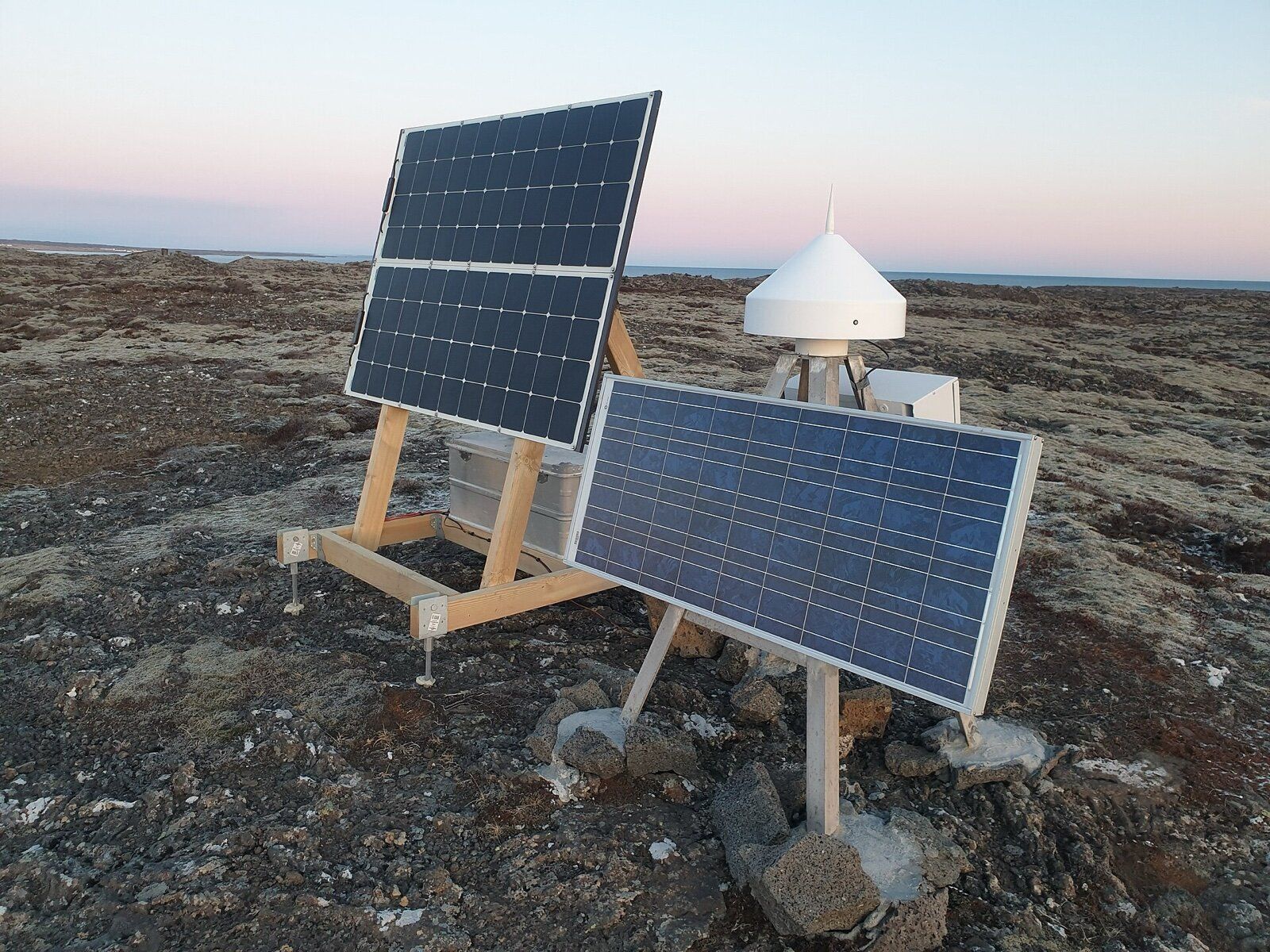
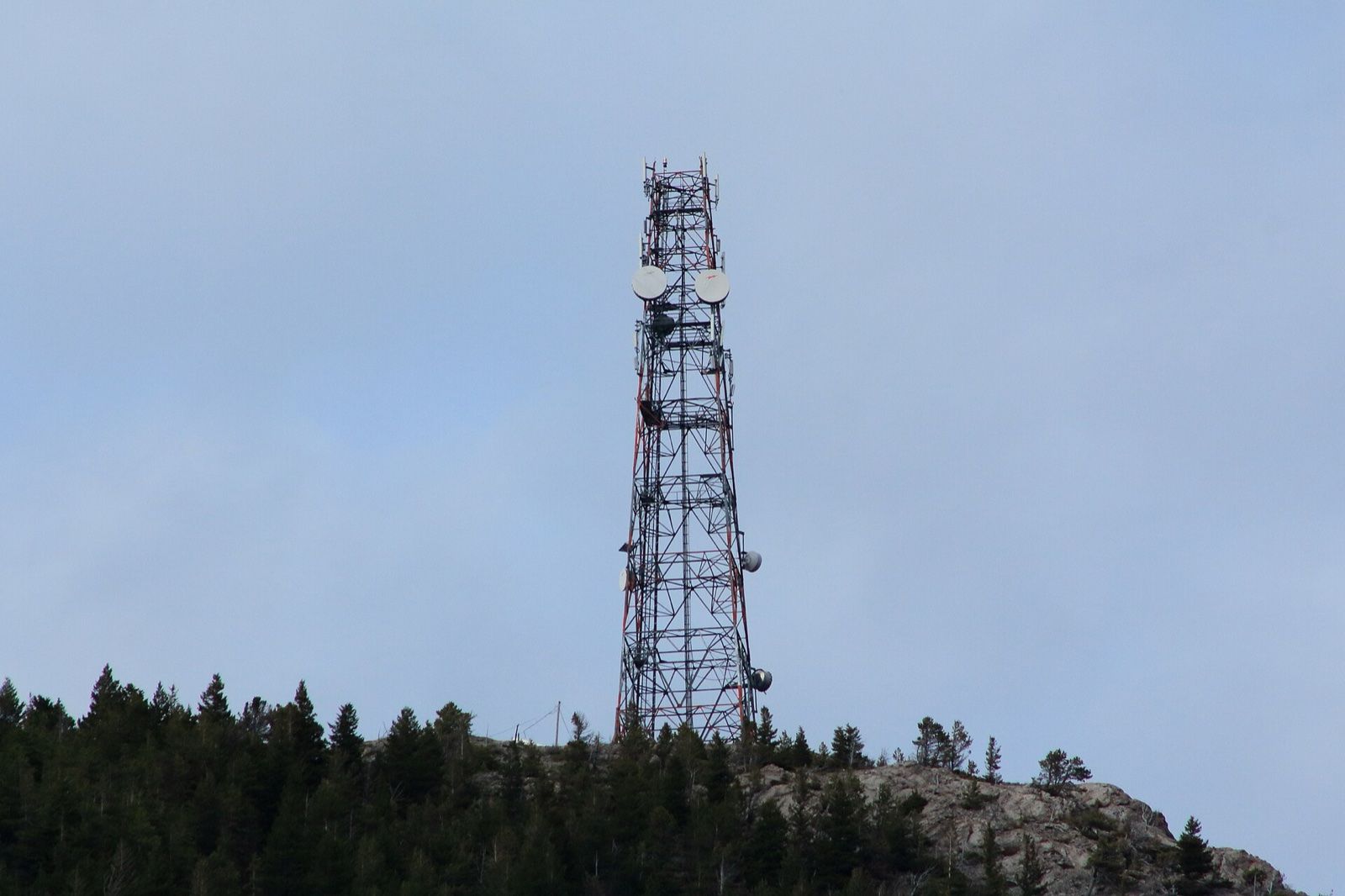
Seismic and volcano stations sit on remote slopes and islands, on solar power, often far from roads. Islands like the Azores, on the junction of three tectonic plates, depend on them.
Mru Field runs on the Linux processor already in the equipment, as three copies of your task. When a copy fails and nobody can come, it continues on the ones left and delivers only results it can check.
01
Parts fail one by one
Radiation, heat and age take out processors and memory. Nothing is replaced until the next visit.
02
Power runs down
Batteries fade and panels foul. The system has to do less and keep the important part going. Mru does not manage power today.
03
The link is thin
Bytes per message, or nothing until the next window. Problems have to be solved on site.
Three processors. Then two. Then one, still working.
Fixed triple redundancy stops when it loses its majority. Mru Field steps down instead, and says which mode it is in. Each extra processor costs power.
3 alive · vote
Three processors vote. One bad result is outvoted.
2 alive · compare
Two compare. On a mismatch, a known-answer test can find the faulty one.
1 alive · self-check
The last one checks its own work and keeps listening, at half speed.
Power
Solar and batteries
Link
Radio, cellular or satellite
Visits
Weeks to months
Service life
Years
Questions
Does Mru Field need new hardware?
No. It is software for the Linux processor you already deploy. It runs beside your control code as three replicas of your task and decides which replica to trust as faults appear. Each replica costs processor time. A second processor, which would survive the failure of the first, is planned.
Will it miss an event while it checks itself?
With three processors it runs at full speed. With two, a mismatch loses that result while a known-answer test runs. Only the last processor runs at half speed, and that beats stopping.
How do we start?
Use the form below. We first model your hardware and show what each redundancy design returns over its whole life. Then we plan a pilot on your own equipment.