Pipelines
Hundreds of kilometres of remote stations.
“Capability is a depleting resource to be spent, not a fixed budget to be defended.”
Whitepaper, §5
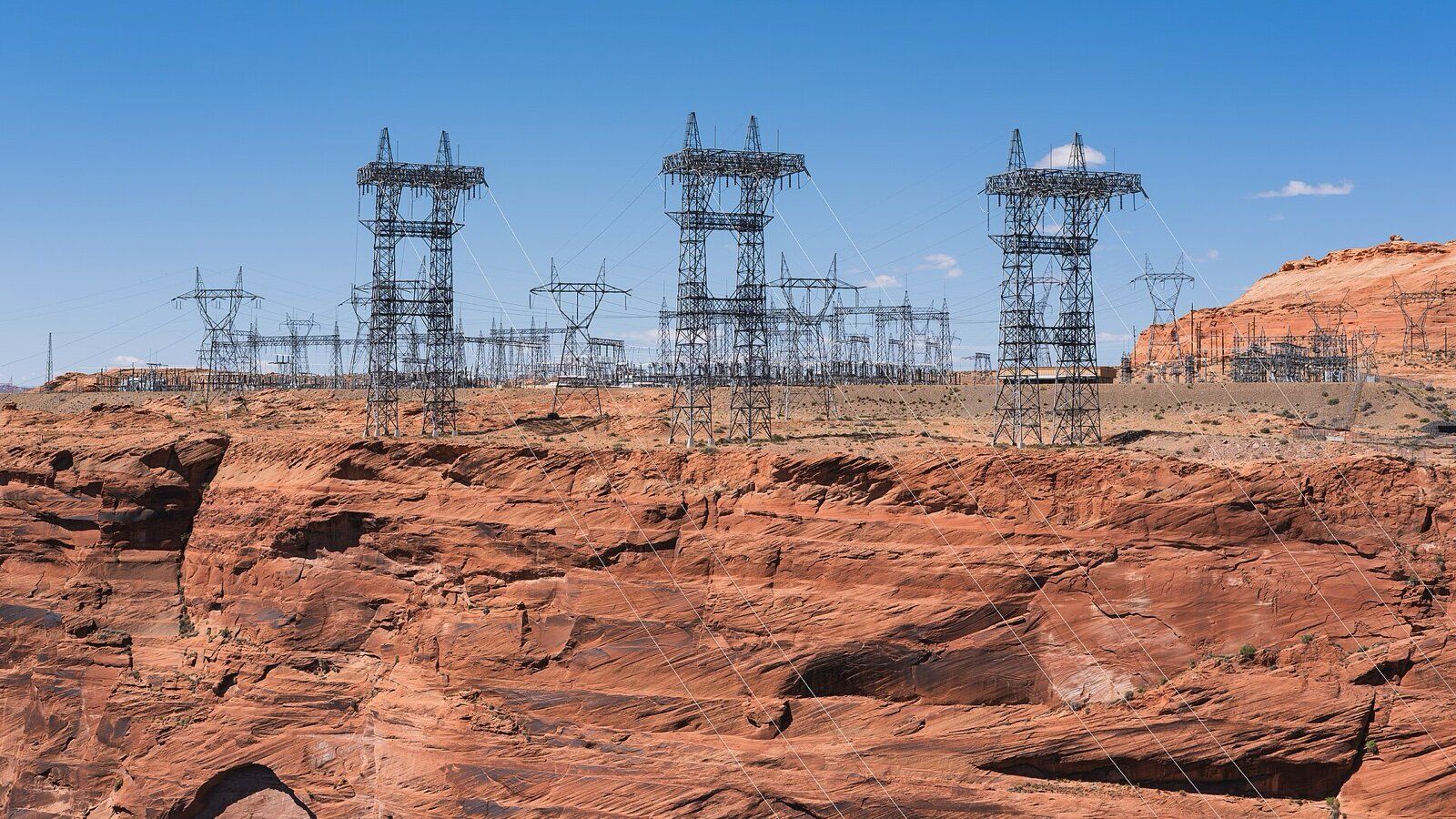
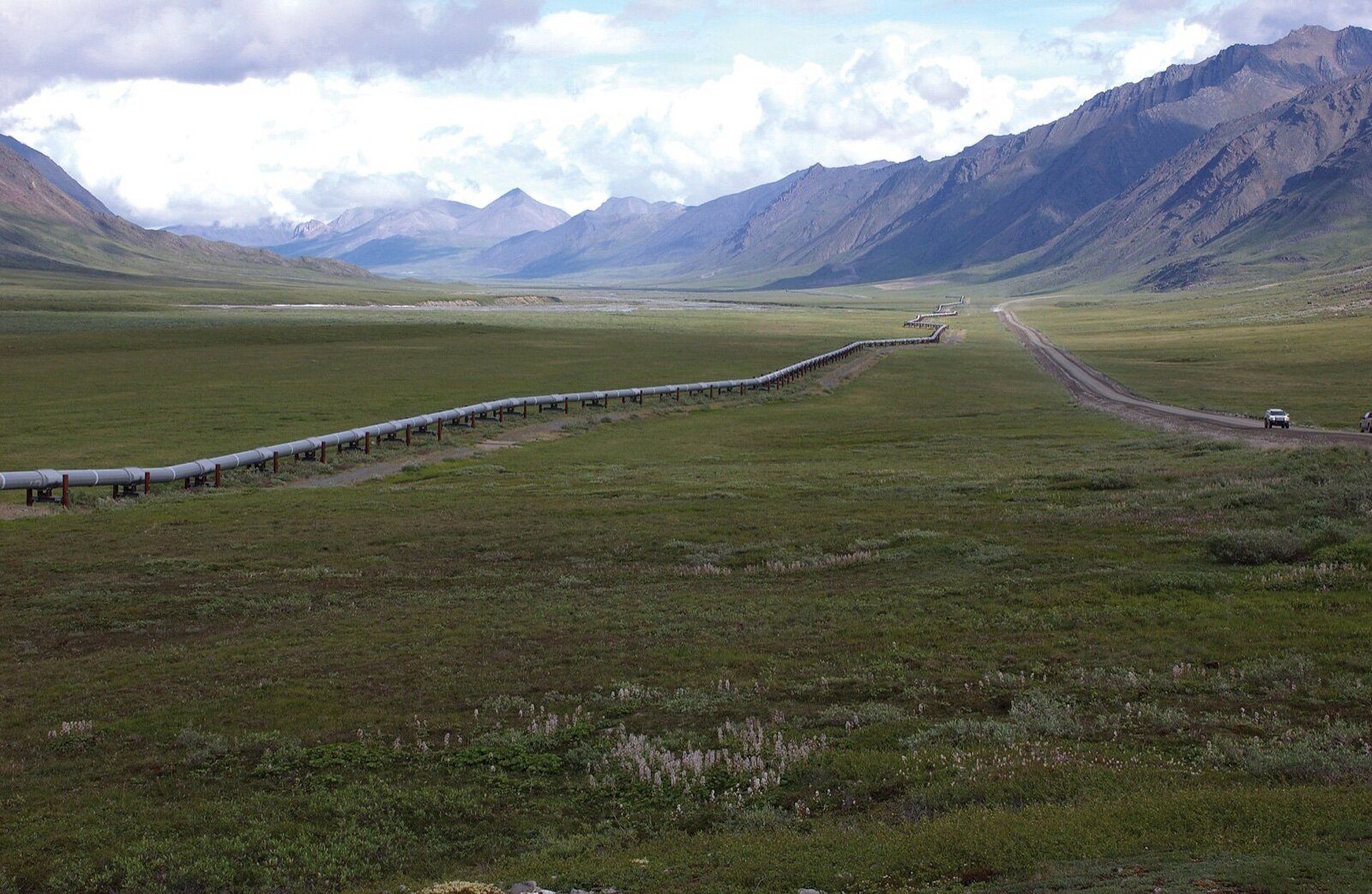
Pipelines cross deserts, permafrost and the sea floor. The valve stations and monitoring points along them are remote, numerous and costly to visit.
Mru Field runs on the processors already in the equipment. When one fails and nobody can come, it continues on the ones left and delivers only results it can check. Status: decision core at TRL 3; first field pilot planned for 2027.
01
Computers fail one by one
Radiation, heat and age take out processors and memory. Nothing is replaced until the next visit.
02
The link is thin
Bytes per message, or nothing until the next window. Problems have to be solved on site.
03
No one to ask
When two computers disagree, there is no operator to say which one is right.
Three computers. Then two. Then one, still working.
Most redundant systems stop when they lose their majority. Mru Field steps down instead, and says which mode it is in.
3 alive · vote
Three computers vote. One bad result is outvoted.
2 alive · compare
Two compare. A known-answer test finds the faulty one.
1 alive · self-check
The last one checks its own work and keeps the station reporting, at half speed.
Power
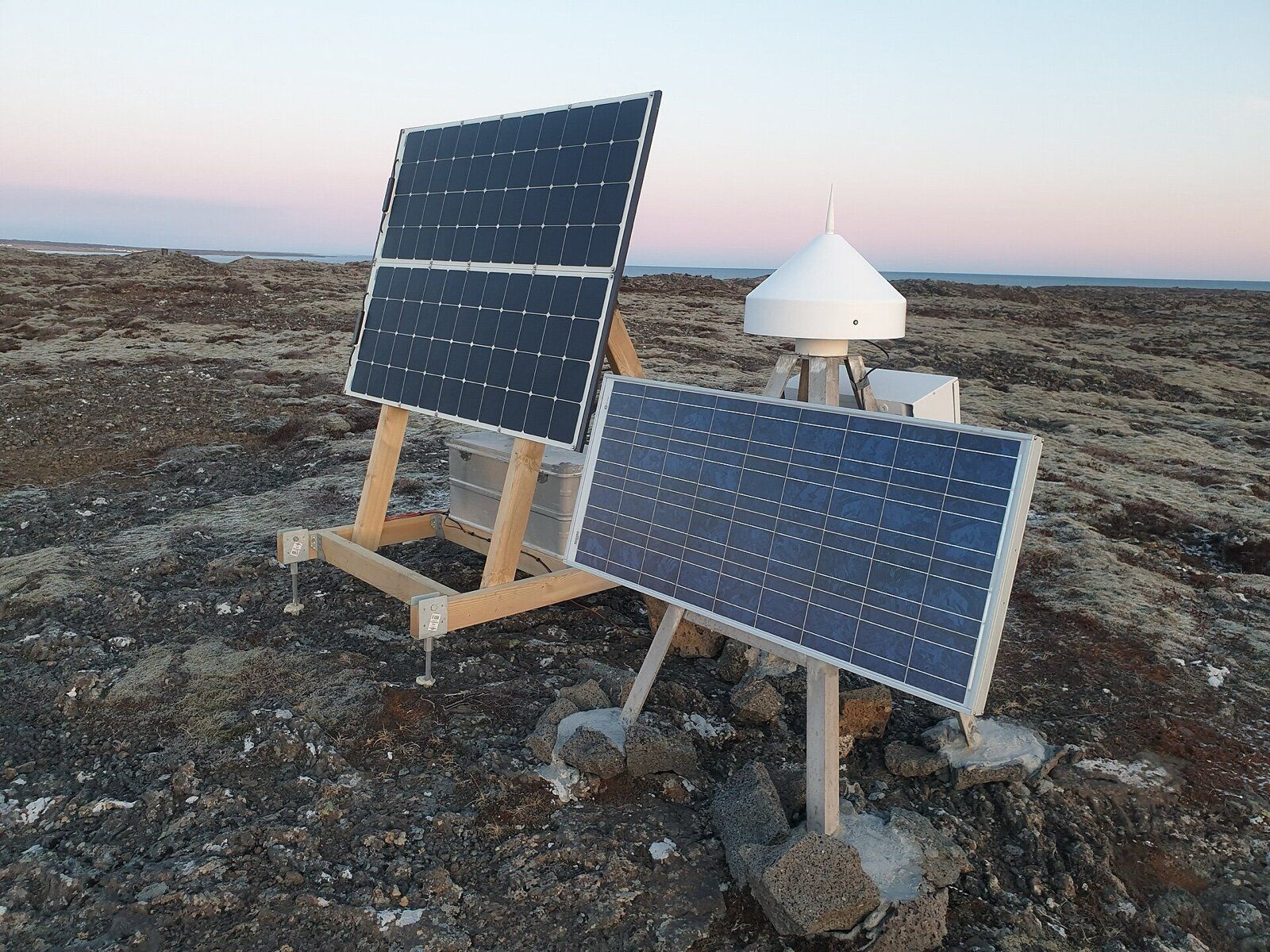
Solar or line power
Link
SCADA radio or satellite
Visits
Patrols, weeks apart
Service life
Decades
Questions
Does Mru Field need new hardware?
No. It is software for the processors you already deploy. It runs beside your control code and decides which computer to trust as parts fail.
Does it replace SCADA?
No. It runs on the remote computers SCADA talks to, and keeps them trustworthy as they fail.
How do we start?
Use the form below. We first model your hardware and show what each redundancy design returns over its whole life. Then we plan a pilot on your own equipment.