Uncrewed surface vessels
Months at sea, run from a desk on shore.
“Capability is a depleting resource to be spent, not a fixed budget to be defended.”
Whitepaper, §5
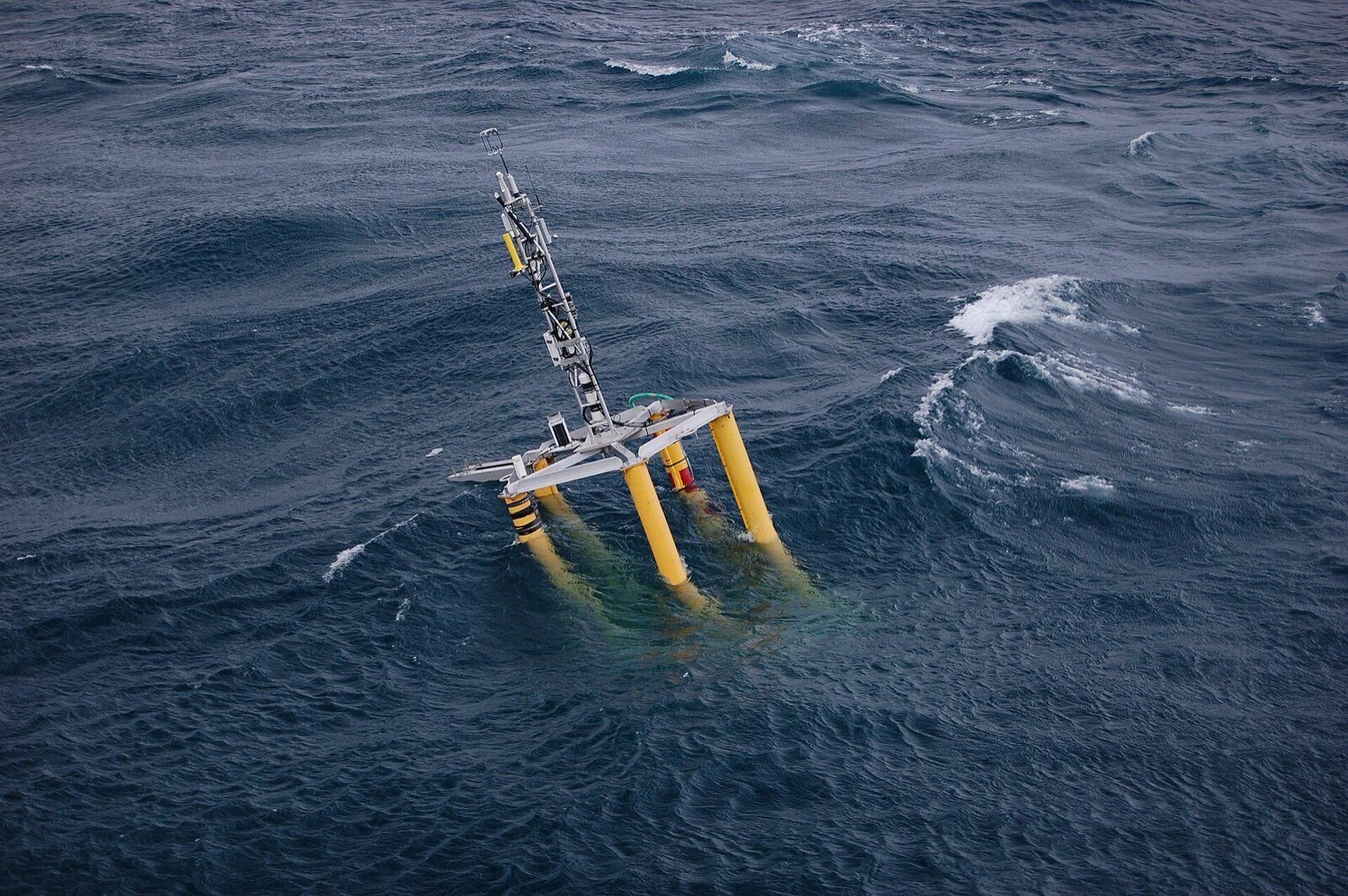
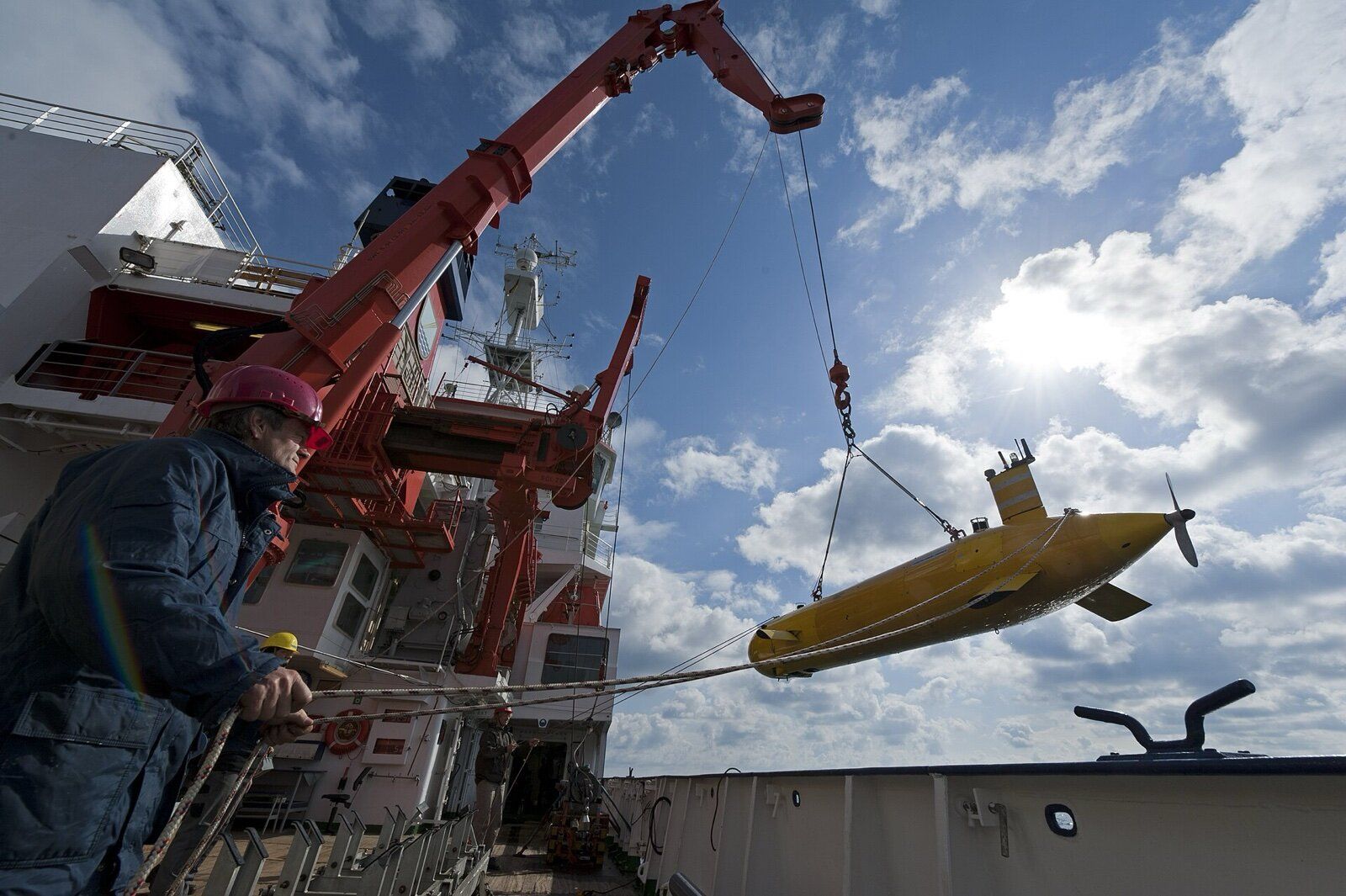
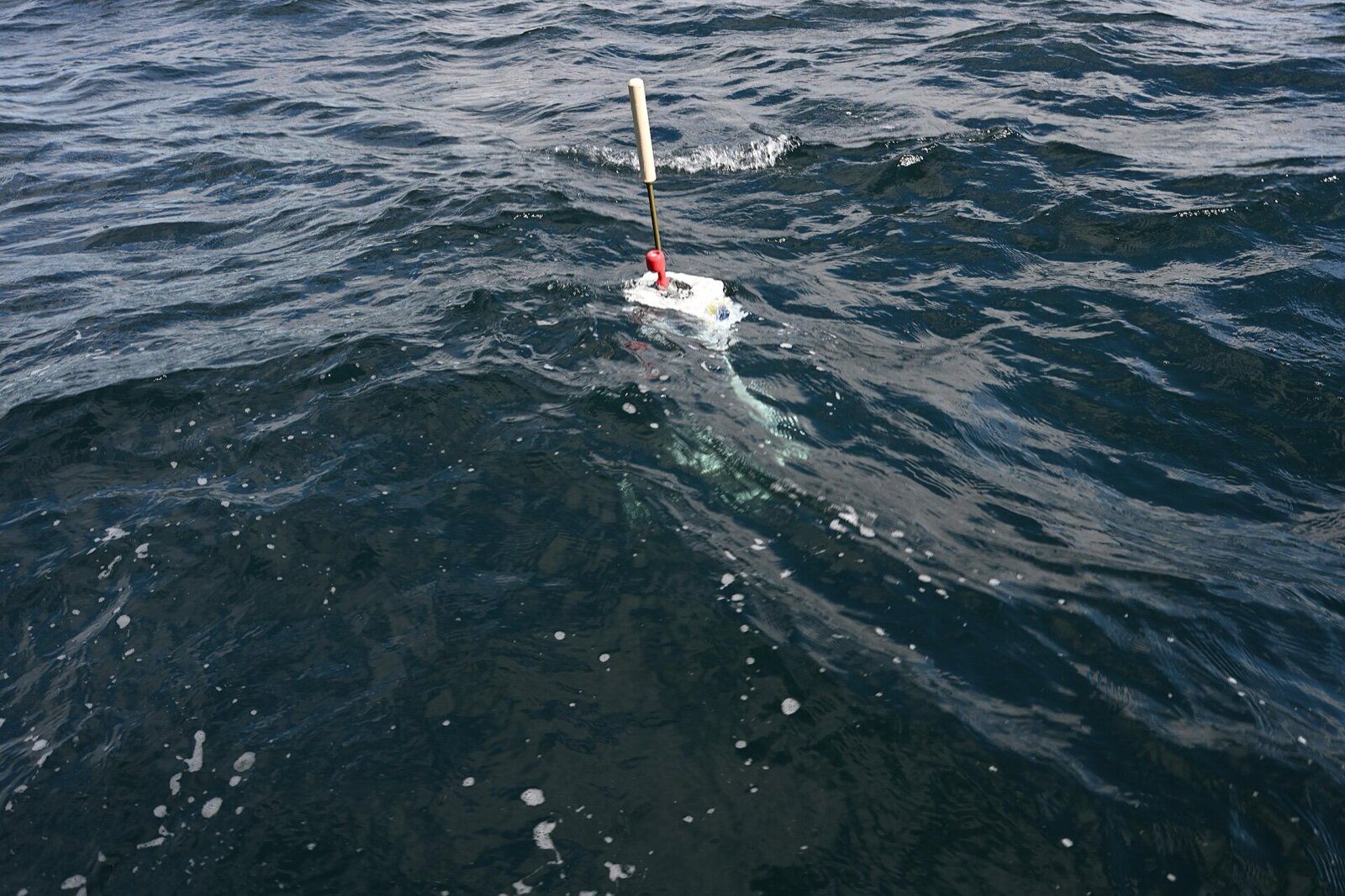
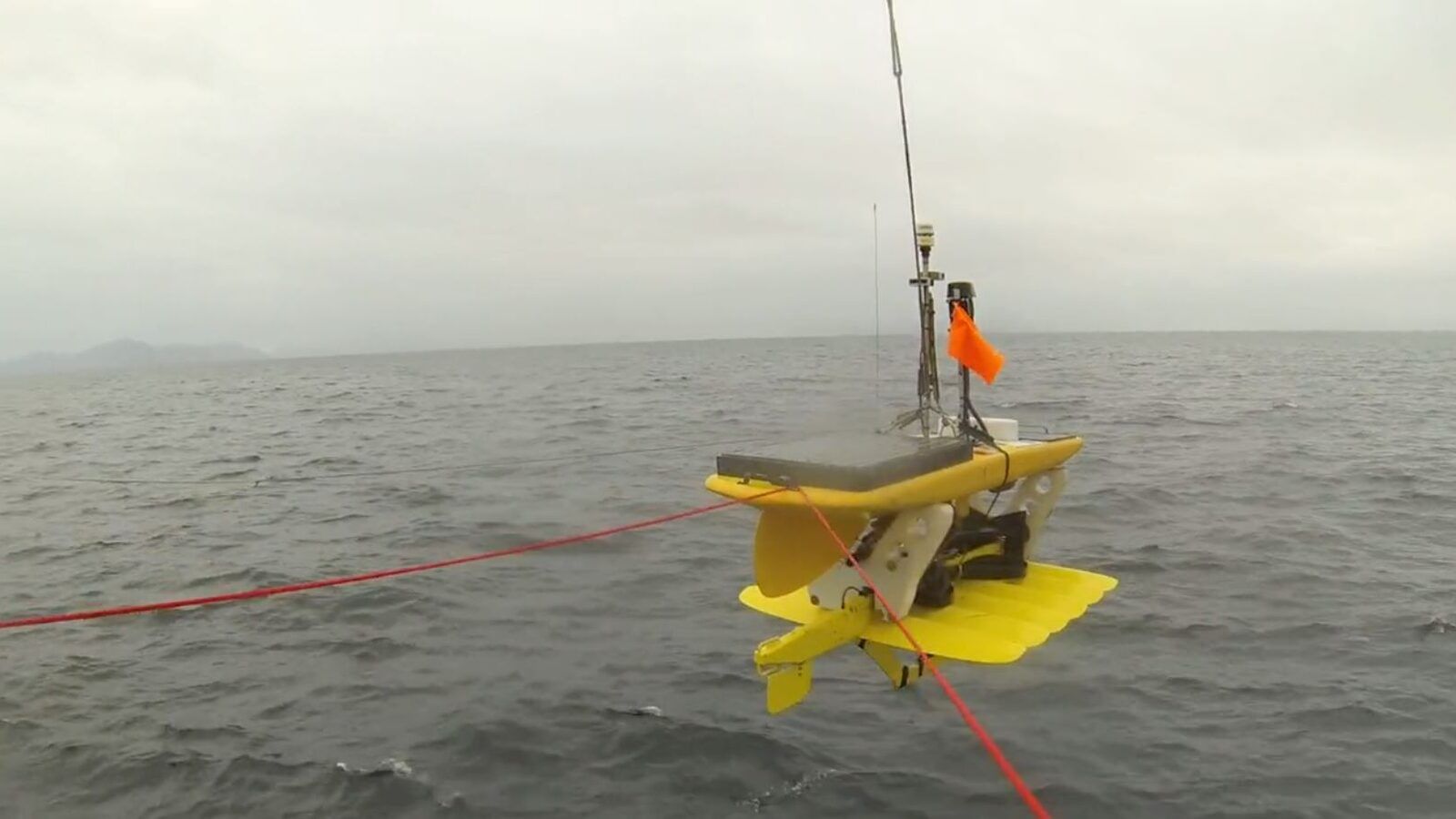
Uncrewed surface vessels sail on wind, waves and sunlight, with no one on board. Operators pilot them from shore over a satellite link. When a processor fails at sea, the fault stays until the vessel comes back to port.
Mru Field runs on the Linux processor already in the equipment, as three copies of your task. When a copy fails and nobody can come, it continues on the ones left and delivers only results it can check.
01
Parts fail one by one
Radiation, heat and age take out processors and memory. Nothing is replaced until the next visit.
02
Power runs down
Batteries fade and panels foul. The system has to do less and keep the important part going. Mru does not manage power today.
03
Stored data decays
Flash wears out and bits flip. Logs and settings drift unless something checks them. Mru does not check stored data today.
Three processors. Then two. Then one, still working.
Fixed triple redundancy stops when it loses its majority. Mru Field steps down instead, and says which mode it is in. Each extra processor costs power.
3 alive · vote
Three processors vote. One bad result is outvoted.
2 alive · compare
Two compare. On a mismatch, a known-answer test can find the faulty one.
1 alive · self-check
The last one checks its own work and keeps the sensors logging until the vessel comes home, at half speed.
Power
Solar, wind or waves, with batteries
Link
Satellite, from shore
Visits
At the end of each mission
Service life
Weeks to months per mission
Questions
Does Mru Field need new hardware?
No. It is software for the Linux processor you already deploy. It runs beside your control code as three replicas of your task and decides which replica to trust as faults appear. Each replica costs processor time. A second processor, which would survive the failure of the first, is planned.
Which tasks would Mru run?
The tasks whose results the vessel acts on or sends home: sensor logging, health checks and the decisions it makes between contacts with shore. Your piloting software stays the same.
Does Mru check results across the fleet?
No. Mru runs on each vessel's own Linux processor, and each vessel decides alone. A second processor over a link is planned.
How do we start?
Use the form below. We first model your hardware and show what each redundancy design returns over its whole life. Then we plan a pilot on your own equipment.